Did Plumbing Work Leave Your Wichita Home With Low Pressure?
If water pressure dropped after a repair or remodel, first check whether the affected fixtures share a shutoff or supply line. A leak can also lower pressure, so look for damp cabinets, new stains, or water sounds before assuming the regulator needs adjustment. Don’t force a stuck valve.
| Check | What to look for |
|---|---|
| Fixture shutoff | Valve is fully open |
| Recent work area | Dampness or dripping |
| Pressure retest | Fixtures running during the test |
A proper retest with fixtures operating shows whether flow stays weak under demand, rather than only appearing normal when taps are closed. Wichita’s four distinct seasons bring winter freezes and summer heat, so exposed or recently disturbed plumbing deserves a careful look. Near Botanica Wichita, that means the same practical first step as anywhere in the city: identify the affected area and check for an active leak.
Why did pressure drop after the repair?
When pressure falls immediately after plumbing work, a valve left partly closed or a disturbed connection is a sensible first suspect. Check only accessible fixture stops and the main shutoff; don’t wrench on a valve that resists. A small plumbing leak can also reduce flow and damage cabinetry or flooring before it becomes obvious, so inspect the work area for moisture.
A Wichita plumbing service should compare conditions at more than one fixture before recommending a part. Ask for a whole-home pressure assessment, not just a quick test at the tap that feels weakest.
Pressure can be expressed in SI units such as kilopascals or in US customary pounds per square inch; the important point is to record the unit and compare readings consistently. We use measured findings to explain whether the likely issue is local or affects the house.
For related symptoms, see what to check when water pressure suddenly drops throughout a Kansas home.
Could a pressure regulator be the cause?
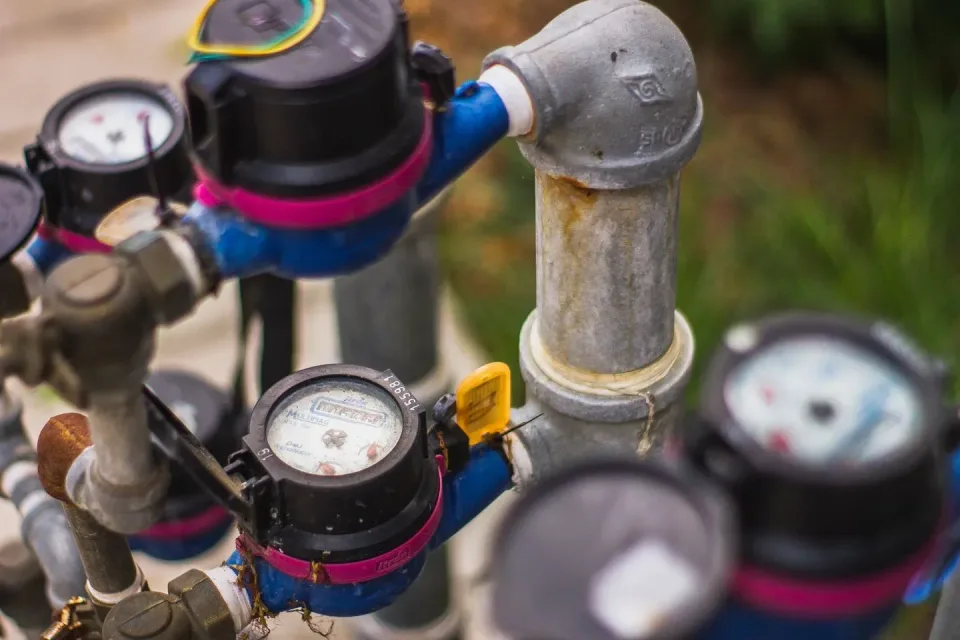
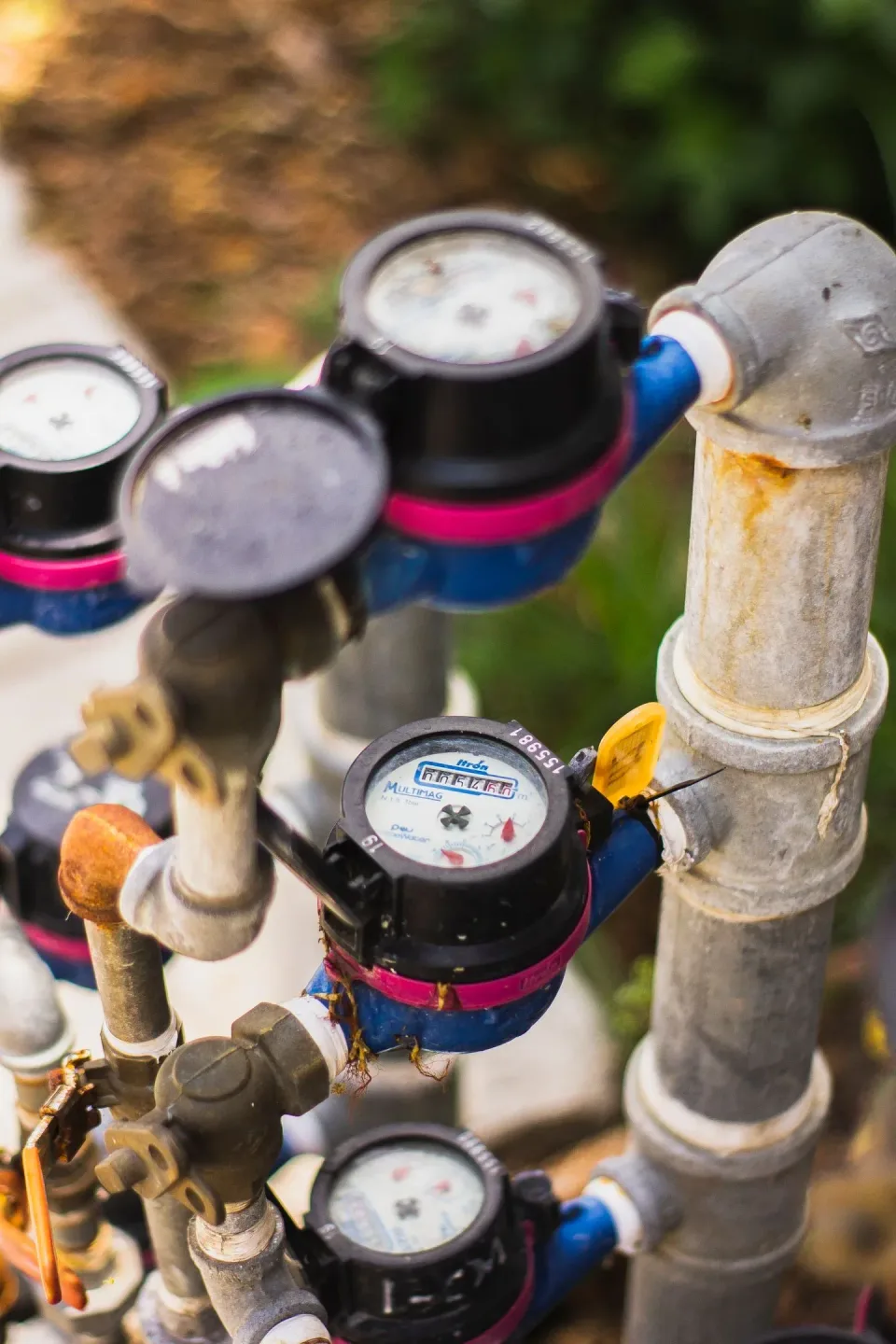
If several fixtures lost flow after work near the meter or regulator, have that equipment checked before changing its setting. A pressure regulator controls incoming pressure; turning its adjustment without a reading can create a new problem or conceal the original one.
The pressure regulator wrench is a specialized tool, but access to it does not make adjustment a safe guess. We check the installation and compare readings before deciding whether the regulator needs attention.
One weak shower alone points toward a different investigation than weak flow at every faucet. If the shower changes when another fixture runs, note exactly which fixtures were operating; that pattern helps narrow the cause. Sedgwick County Zoo gives Wichita residents a familiar reference point, but pressure problems are diagnosed at the home’s plumbing, not by neighborhood assumptions.
When is a homeowner check enough?
You can check that a clearly accessible valve is fully open and remove a faucet aerator for cleaning if the manufacturer’s instructions allow it. Stop if the valve is seized, a joint is wet, or pressure worsens after the check. Don’t open a regulator or cut into a pipe just to test a theory; a wrong move can turn a small repair into water damage.
Snow and ice can delay outdoor plumbing repairs in Kansas, so report any suspected exterior leak promptly and protect the area from further exposure if it is safe to do so. If the pressure problem began after work and affects multiple fixtures, arrange professional diagnosis rather than repeatedly cycling shutoffs. We can trace the affected plumbing and explain the next repair before work proceeds.
What should a professional pressure check include?
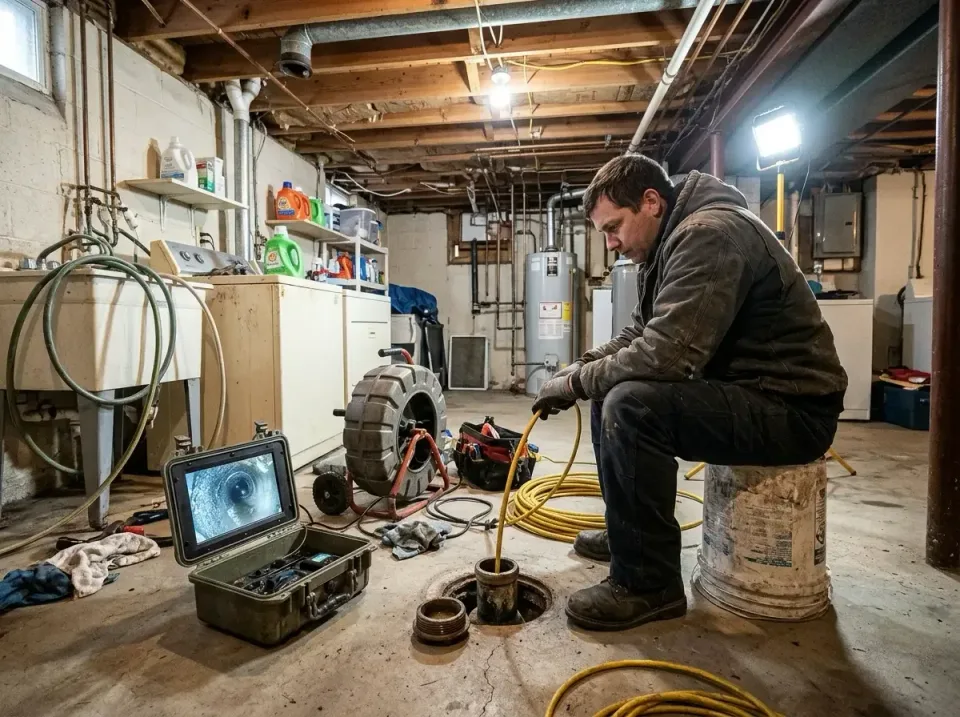
A useful visit should connect the symptom to a measurement and a physical inspection. We look over the relevant supply path, check accessible valves and regulator condition, and compare flow at affected fixtures. That helps distinguish a local restriction from a broader supply problem without replacing parts by guesswork.
Ask the plumber to explain what was tested and what the result means for your home. If a regulator setting or connection changed during the prior job, mention it; small details can save diagnostic time.
We also inspect for signs of a leak and explain whether the next step is repair, additional testing, or monitoring. For a broader review, Water Pressure Diagnosis describes the kind of measurement-led assessment that can identify the cause.
Which Repair Fits Low Pressure After Plumbing Work?
If one faucet is weak after a fixture repair but the rest of the house is normal, the fix may be local; widespread loss calls for a broader check. The pressure pattern matters.
| Option | Best for | Key detail |
|---|---|---|
| Pressure regulator repair | Multiple fixtures with changed supply pressure | Regulator limits incoming pressure; it does not create more |
| Booster pump installation | A system that needs added pressure | Select capacity to suit the home’s flow demand |
| Well pump pressure repair | Weak flow on a private well | A pressure switch controls pump cycling |
| Water line leak repair | Pressure loss with signs of leakage | Locate the leak before choosing a repair |
| Clogged pipe pressure repair | A restricted section after plumbing work | Pipe condition and access guide the remedy |
A plumber familiar with guidance from the American Society of Plumbing Engineers can help distinguish equipment problems from pipe restrictions. Old Cowtown Museum is a Wichita landmark; at home, cold winter fronts can freeze exposed plumbing and complicate outdoor inspection. Ask what evidence supports the proposed repair.
How to Prepare for a Pressure Test After Plumbing Work
-
Describe the change: Note which fixtures weakened, when it began, and whether the work involved a faucet, supply line, or other plumbing.
-
Identify the water source: Tell the plumber whether the home uses municipal service or a private well; that changes which equipment needs inspection.
-
Locate the main shutoff: Find it before the visit and test it only if it turns freely; a stuck valve should be left alone.
-
Clear the work area: Move stored items away from the meter, regulator, and utility-room access so plumbing diagnostics can proceed without delays.
-
Protect the home: Clear floors near indoor plumbing and keep nearby electrical items away from any suspected wet area.
-
Allow a pressure test: Ask for readings under the conditions relevant to the complaint, and make time to review the result before deciding on repairs.
For residential plumbing service, product documentation can help confirm that replacement components suit the installation, including products sourced across borders. Keeper of the Plains is a Wichita landmark, and local seasonal temperature swings can affect pressure-sensitive equipment.
Get a Clear Pressure Diagnosis for Your Wichita Home
If pressure changed right after plumbing work, check only accessible valves and visible connections, then stop if you find a leak or a stuck part. A residential plumbing system can lose flow from a local restriction, a regulator issue, or clogged plumbing pipes, so a measured diagnosis helps avoid replacing the wrong component.
Whole-home pressure balancing may be appropriate when readings and fixture performance point to a system-wide issue; it is not a substitute for finding a leak. Wichita homes near the Kansas State Capitol of local service routes deserve the same careful inspection, and hot summer demand can make existing pressure problems more noticeable. Contact Kansas Plumbing Pros for Water Pressure Diagnosis; we’ll measure the problem and explain a practical next step.